
Products Description
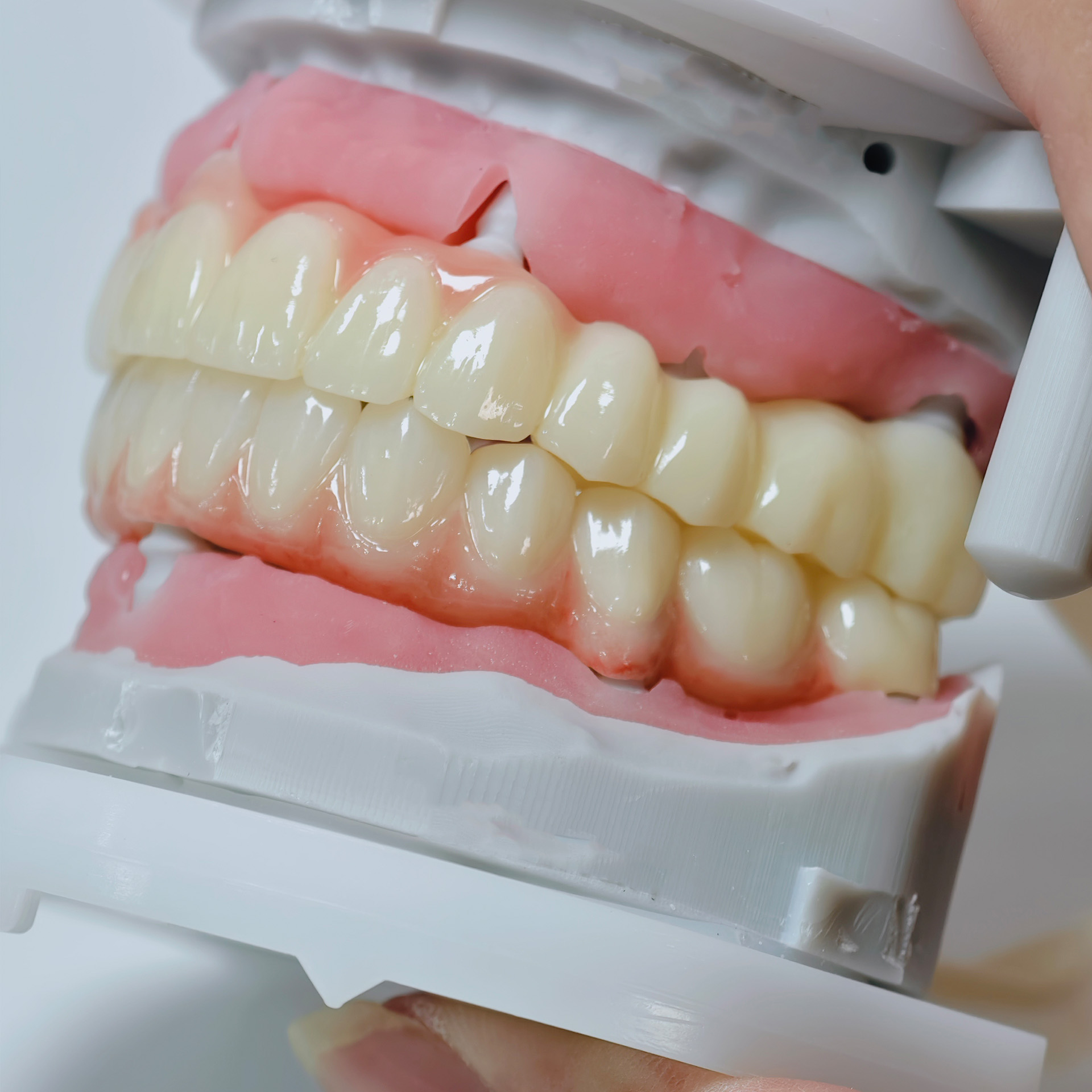
All-on-4 is a dental implant
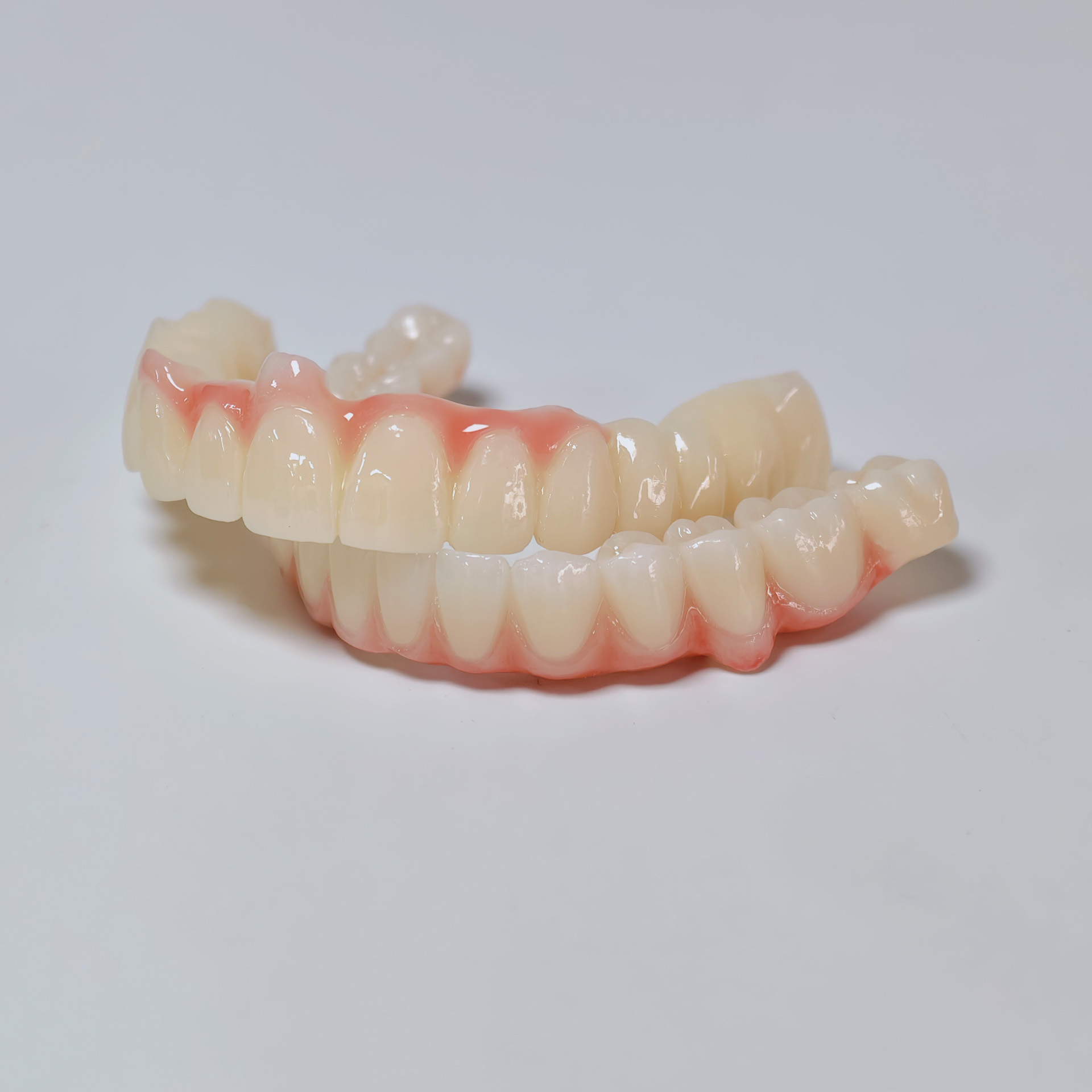
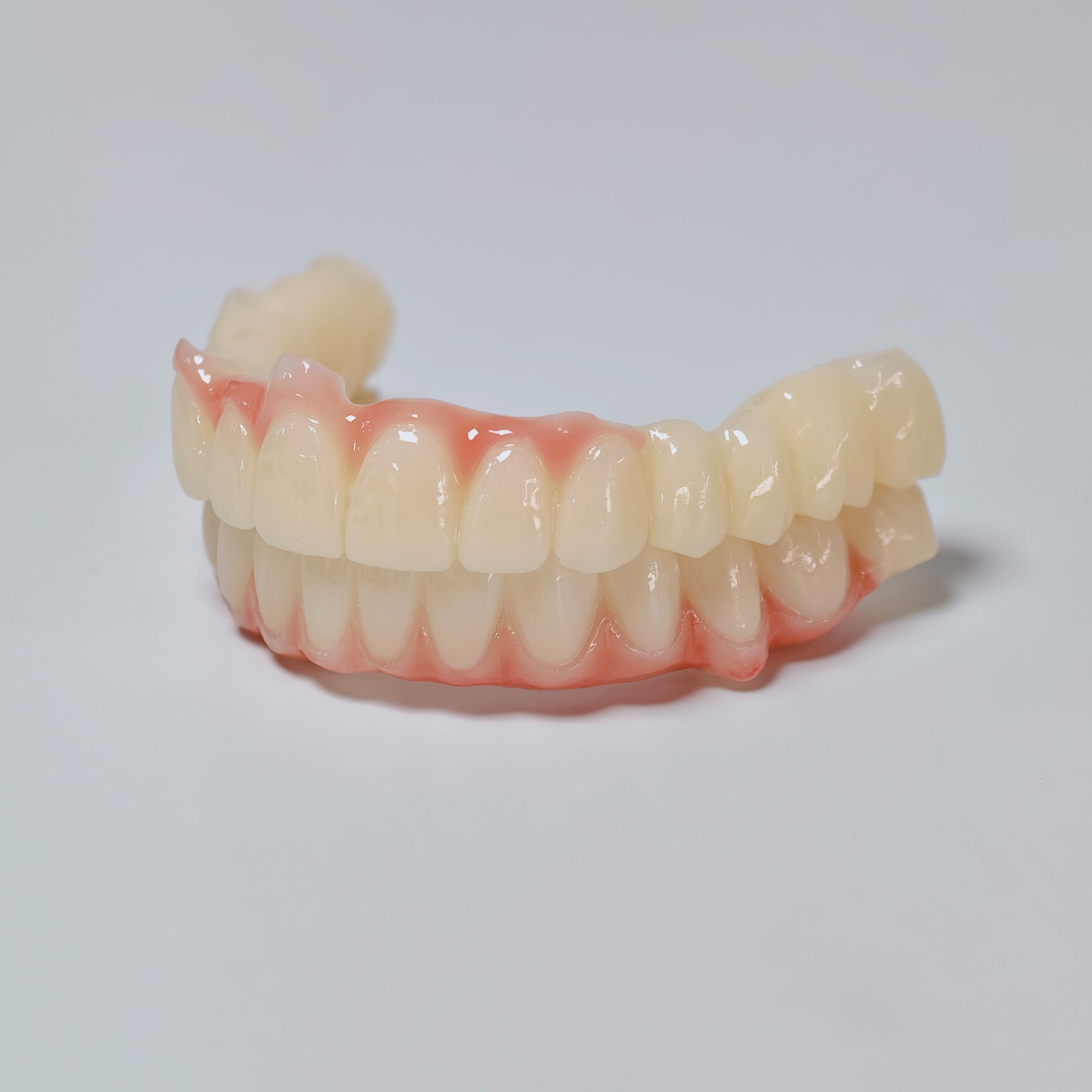
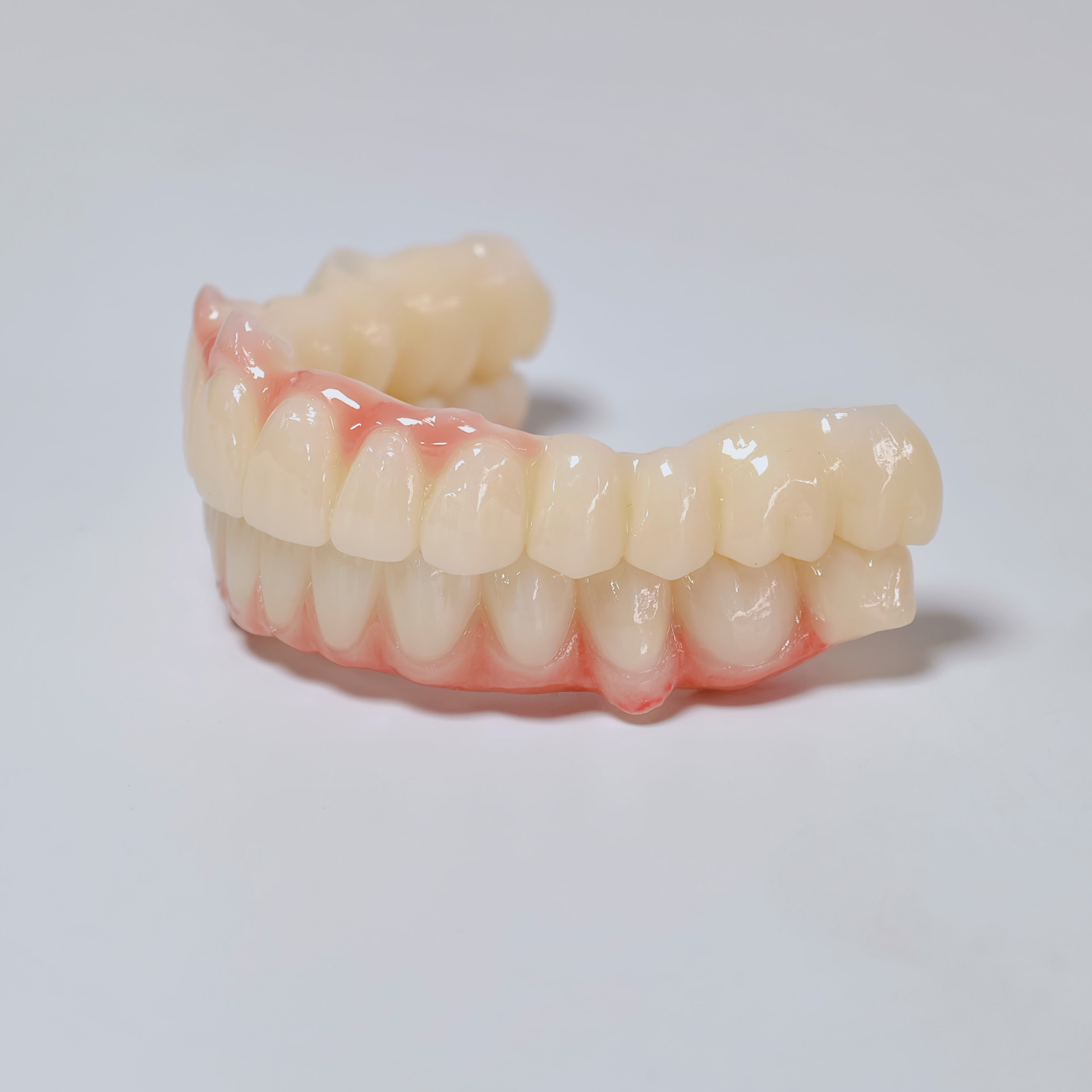
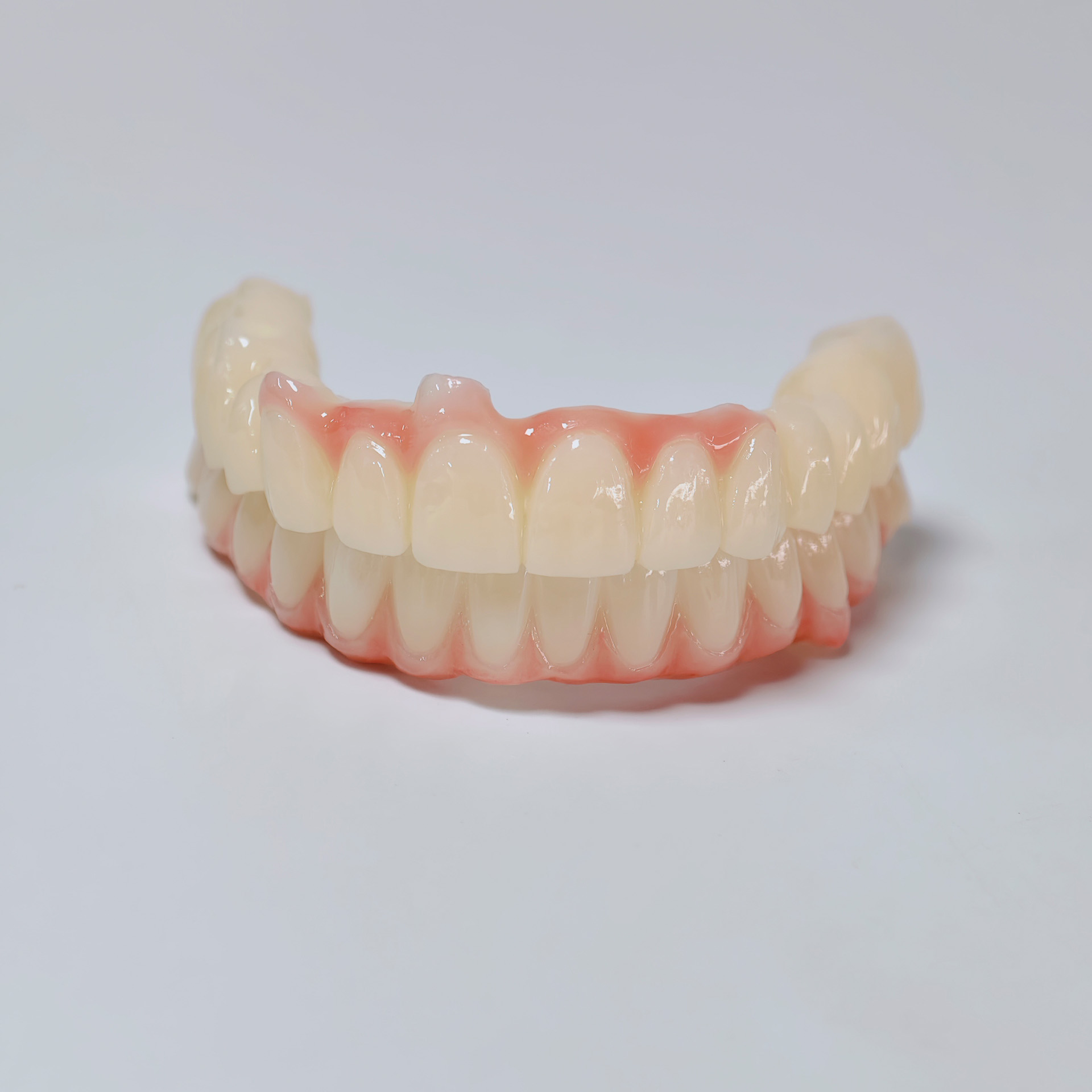
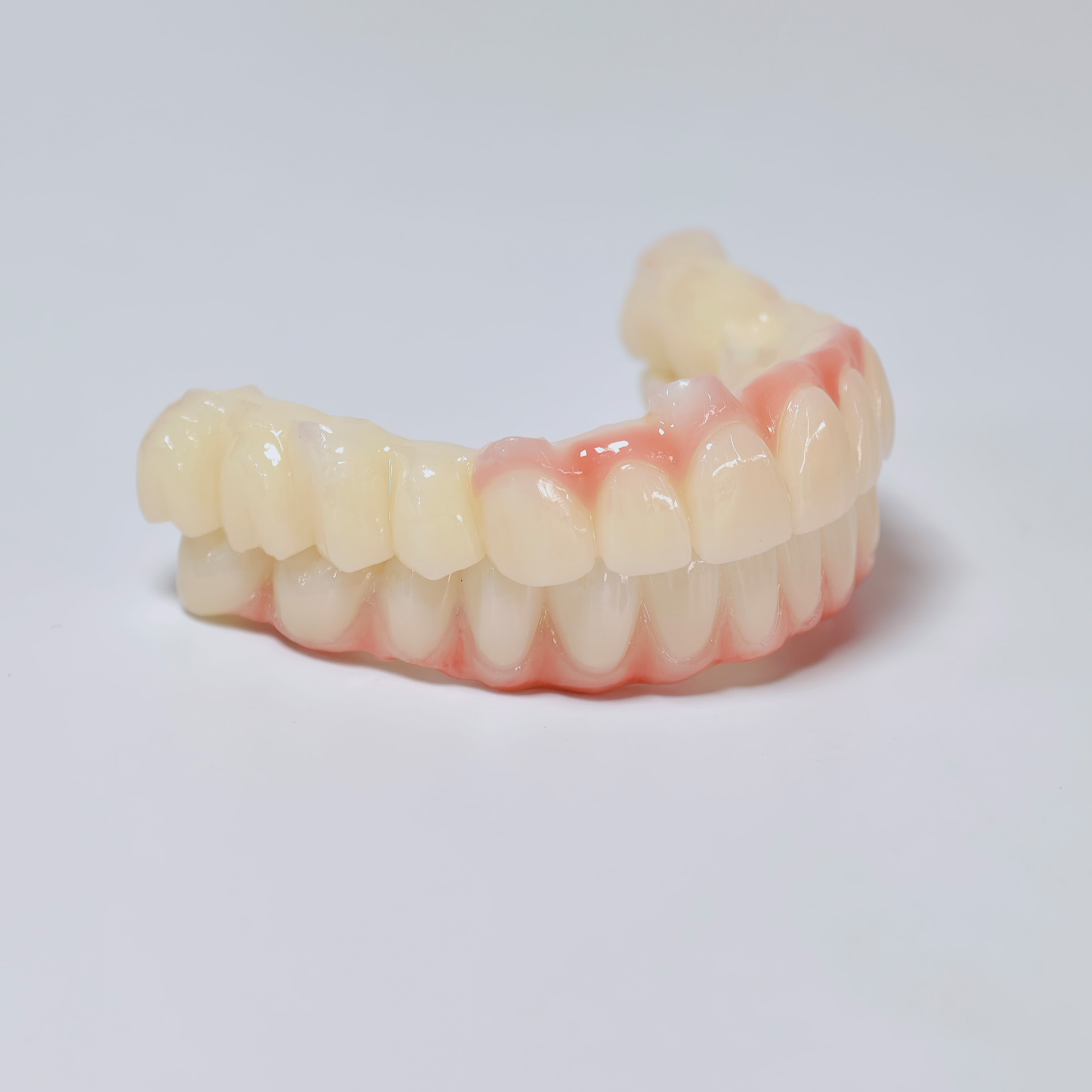
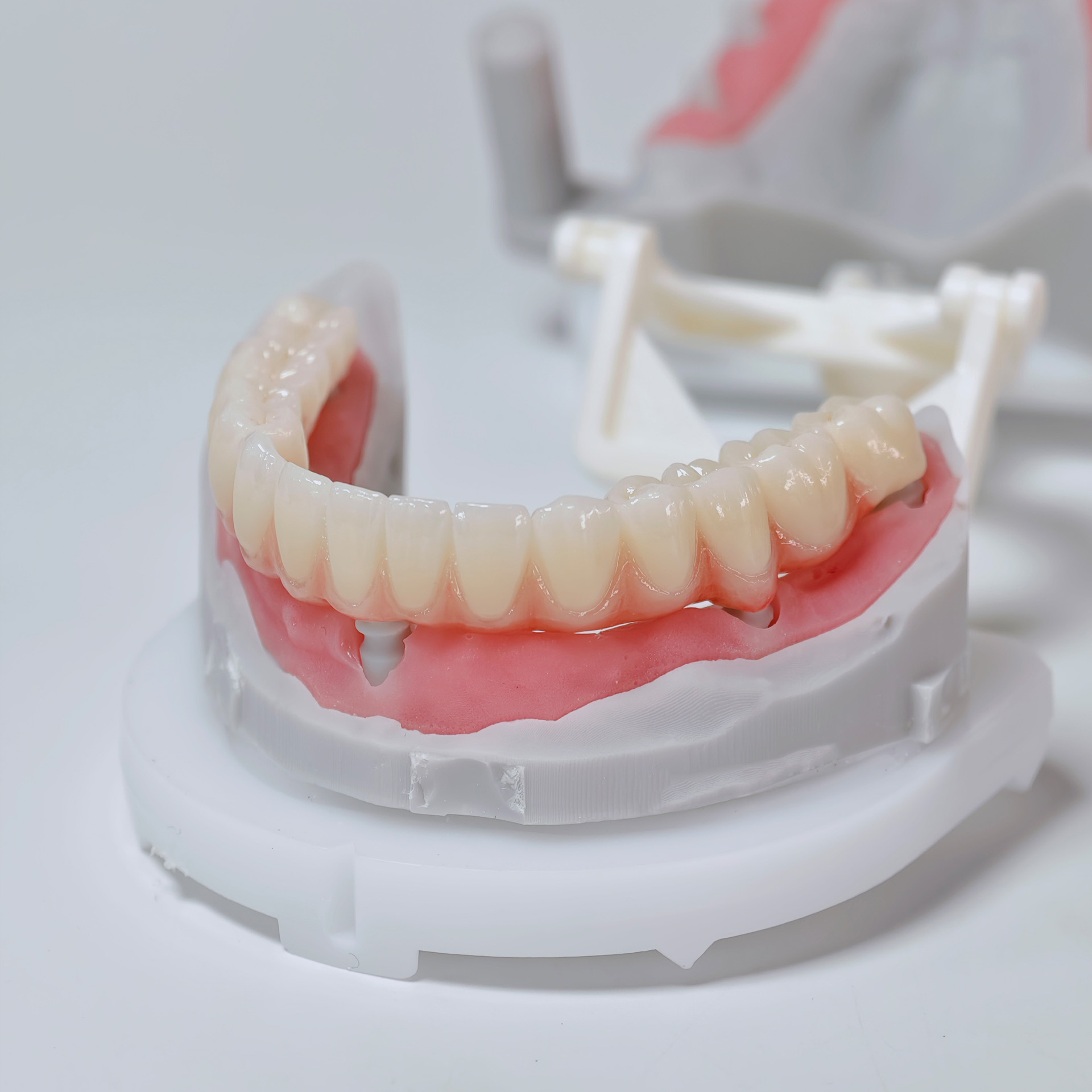
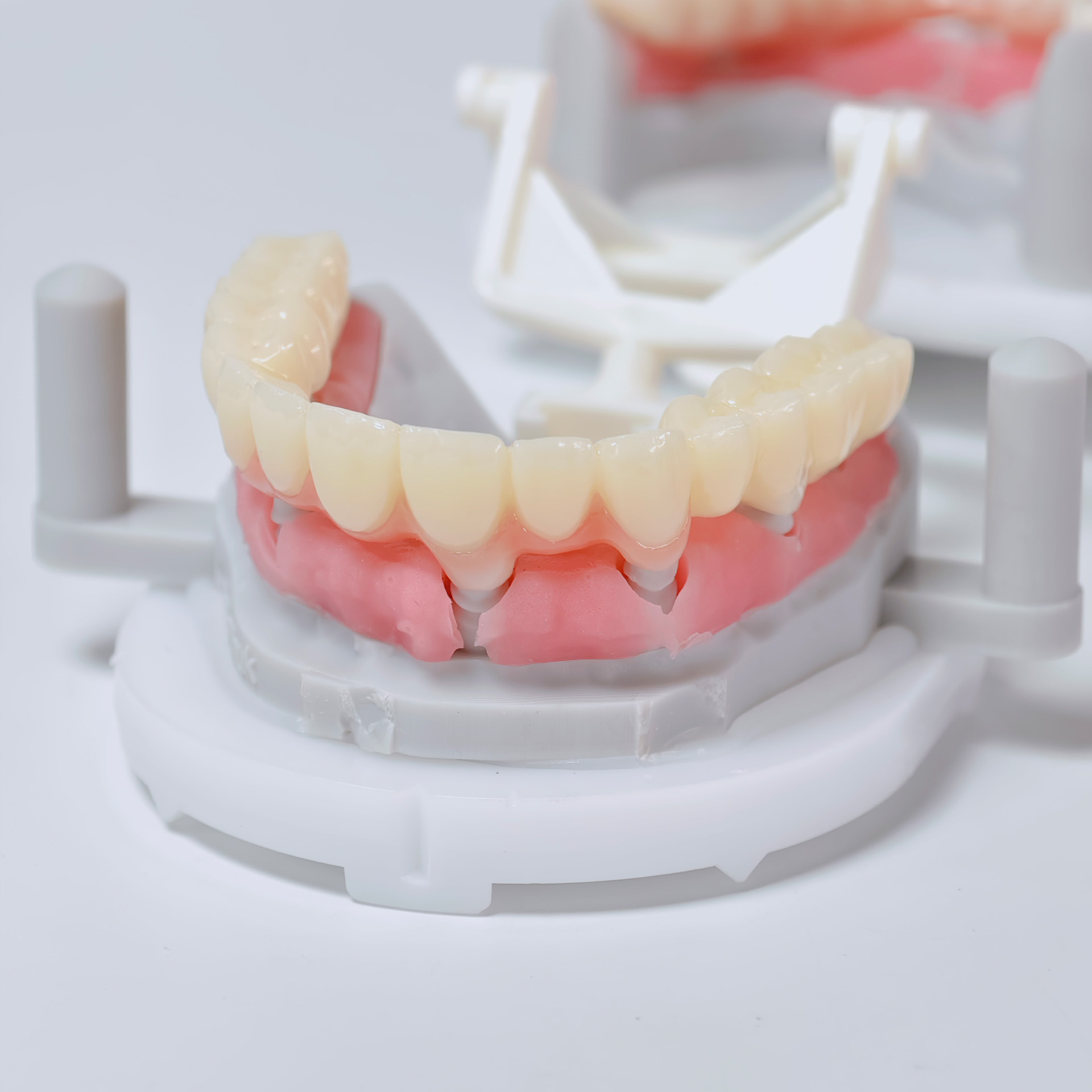
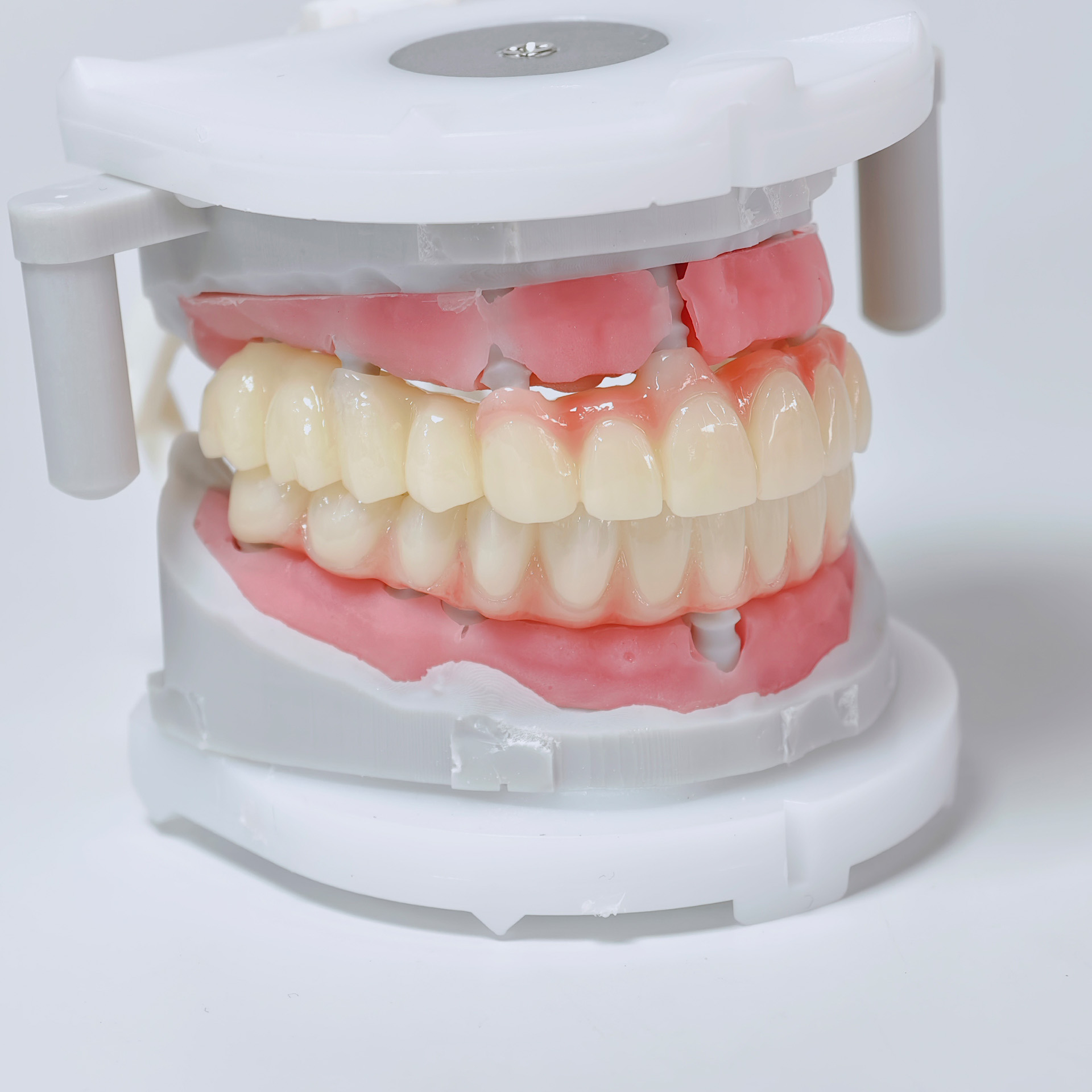
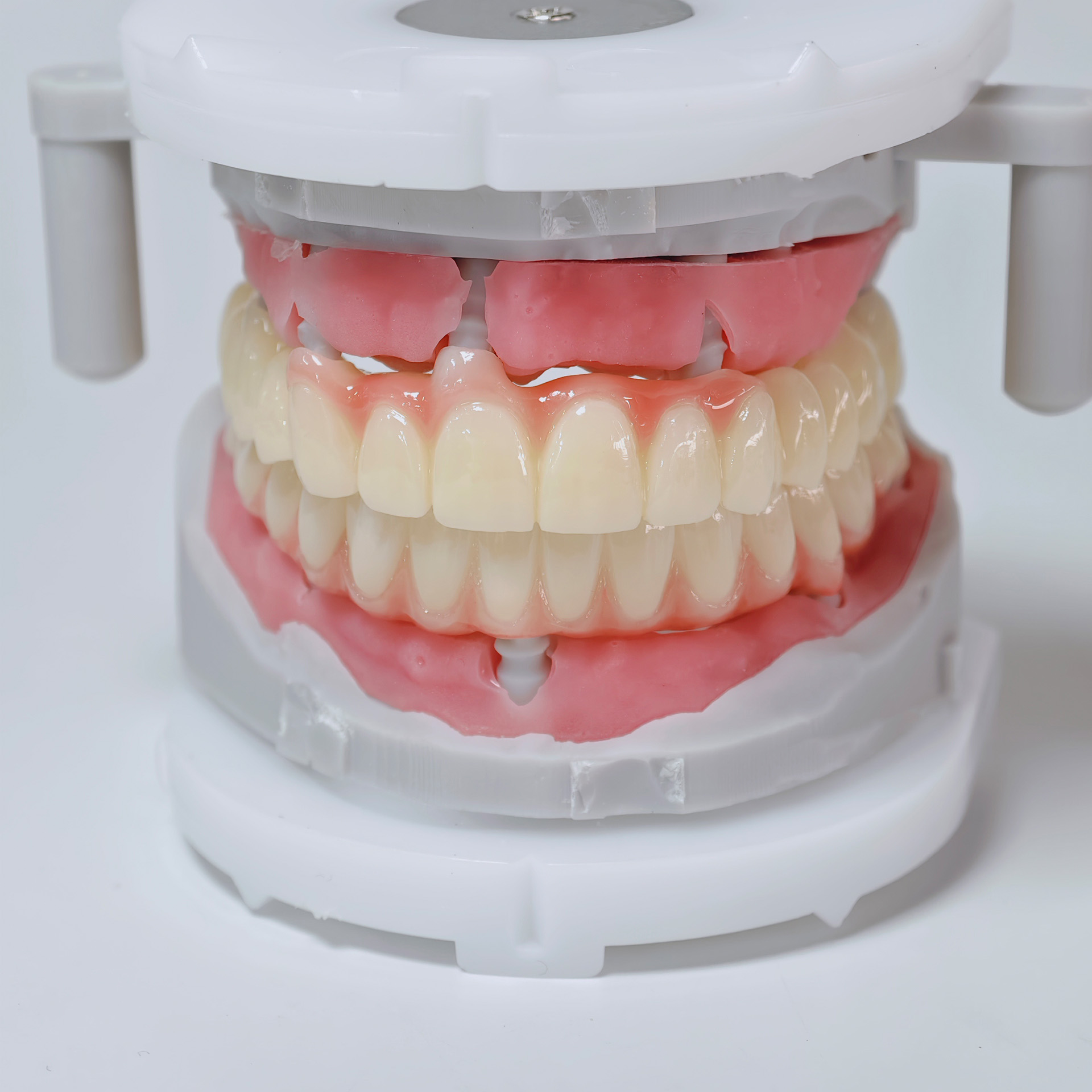
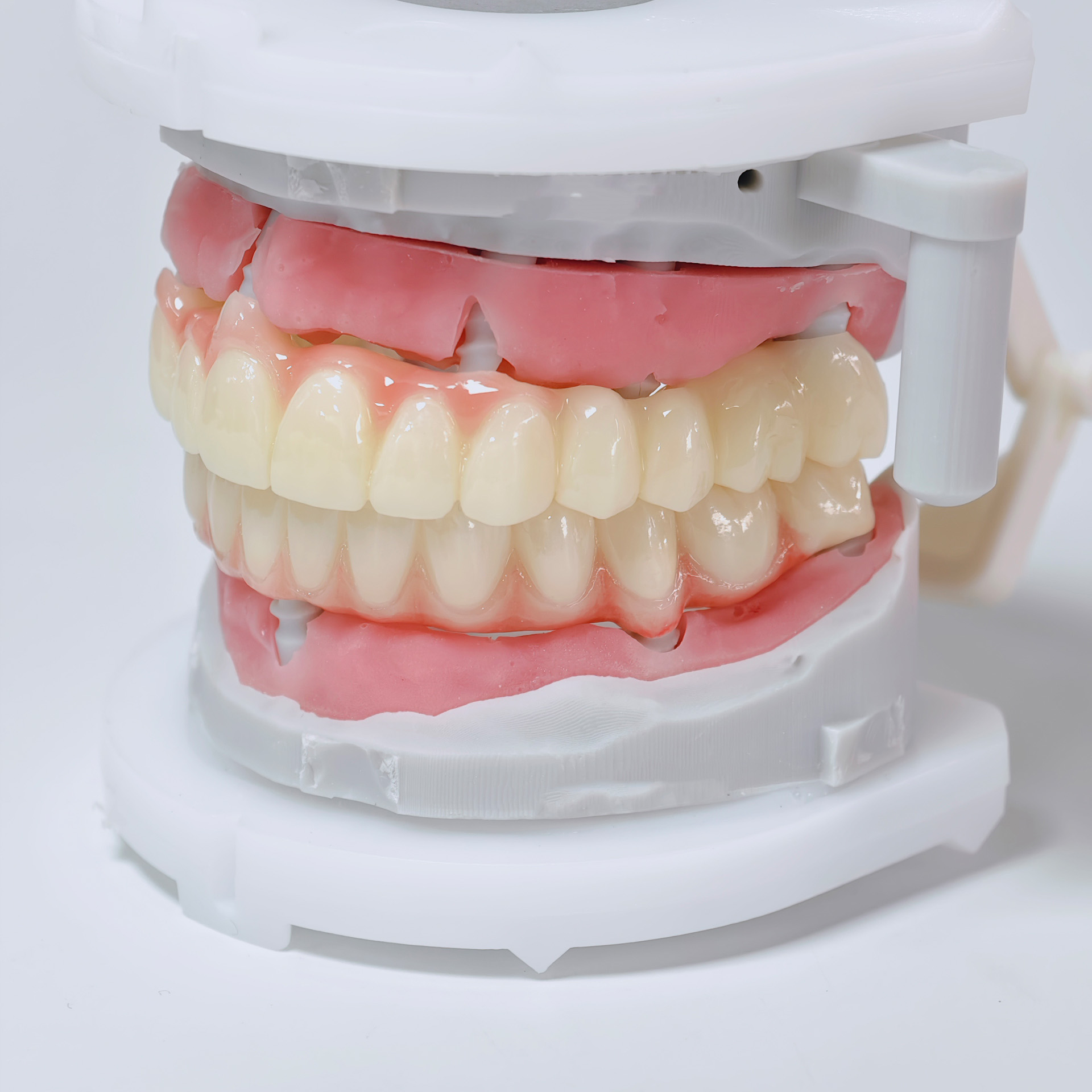
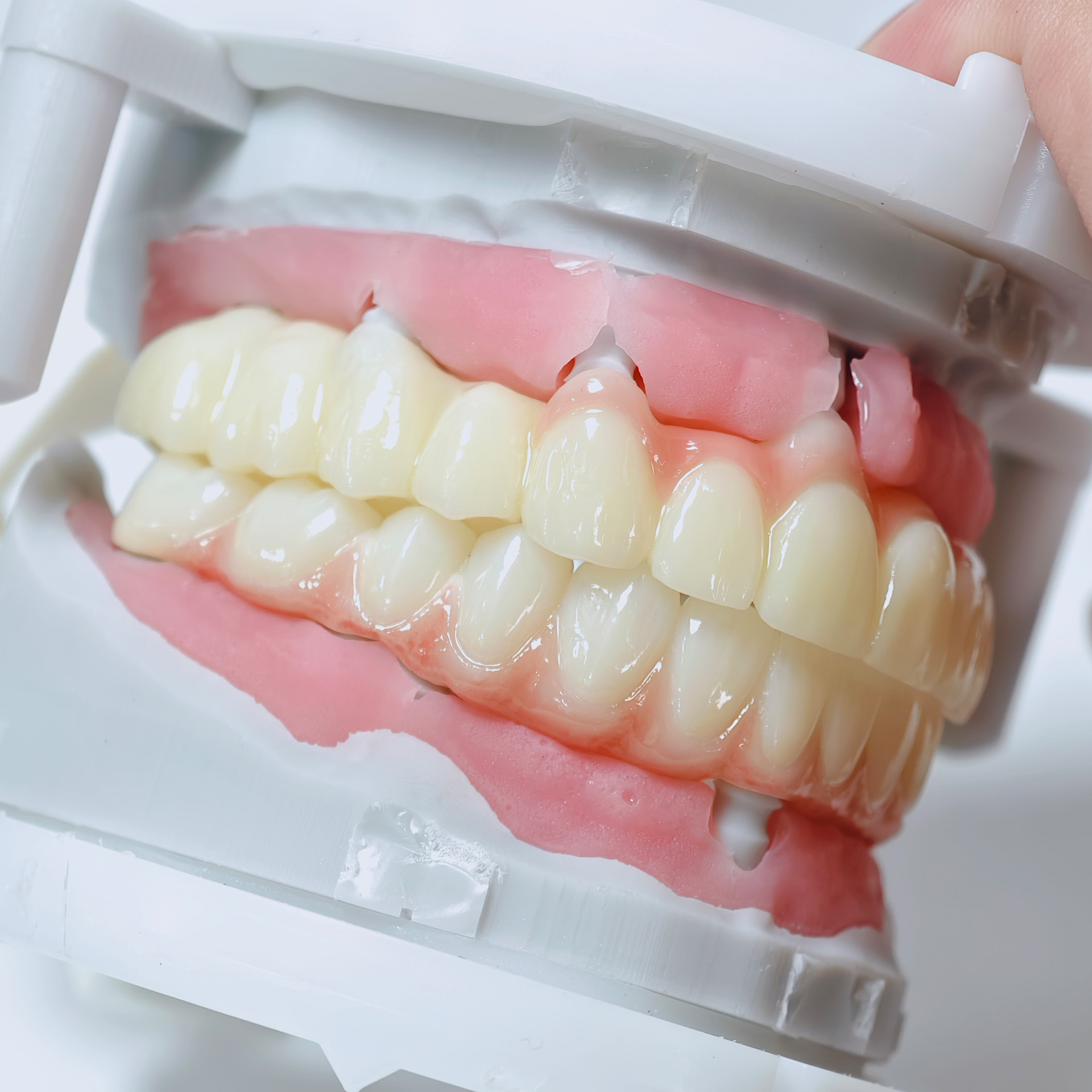
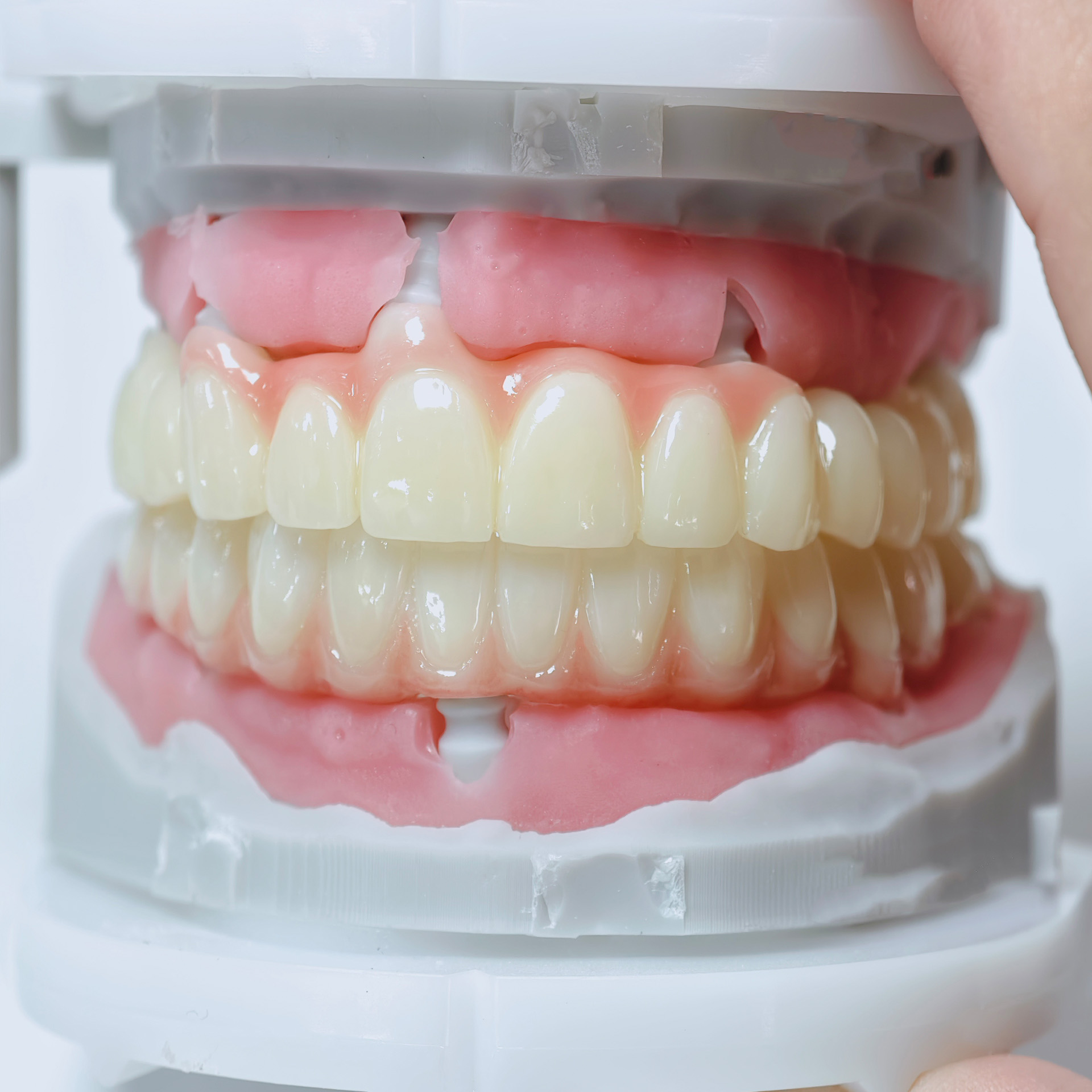
All-on-4 is a dental implant technique that uses four strategically placed implants to support a Full arch of teeth, typically for patients who have lost all or most of their teeth. This approach offers a cost-effective and efficient solution compared to traditional dental implants, often eliminating the need for bone grafting.
What it is:
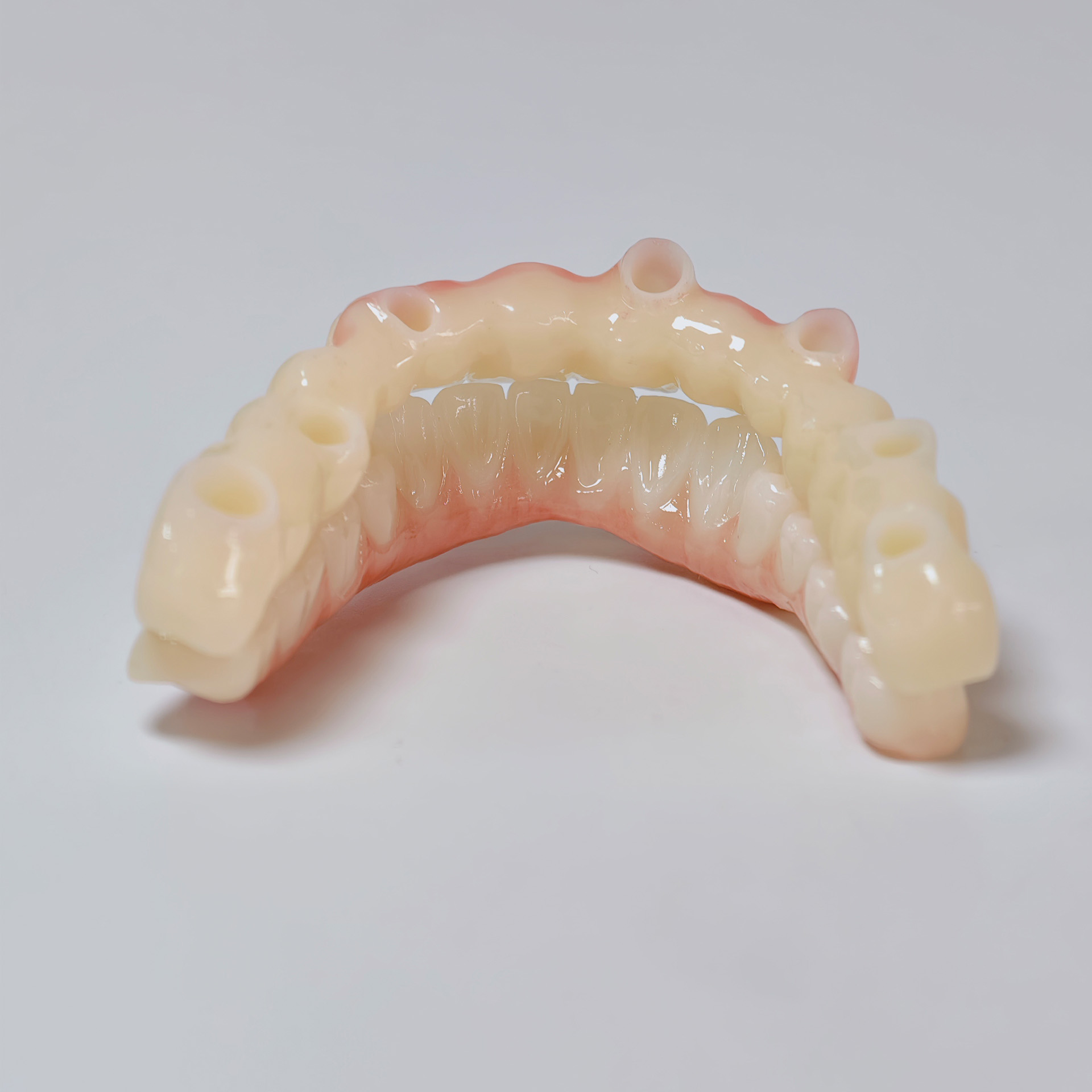
All-on-4 involves placing four dental implants in the jawbone (either upper or lower) to support a fixed denture or bridge.
The implants act as artificial tooth roots, providing a stable foundation for the replacement teeth.
The back implants are often angled to maximize bone contact and avoid the need for bone grafts in some cases.
How it works:
1. Consultation and Planning:
A dentist will assess your oral health, take X-rays and potentially 3D scans to determine if you're a suitable candidate for All-on-4.
2. Implant Placement:
The four implants are surgically inserted into the jawbone.
3. Temporary Restoration:
A temporary denture is attached to the implants, allowing you to eat and speak while the implants integrate with the bone.
4. Final Restoration:
Once the implants have fused with the bone (usually a few months), the temporary denture is replaced with a permanent, custom-made denture or bridge.
Benefits:
Cost-effective:
All-on-4 can be more affordable than traditional full-arch dental implants.
Reduced Treatment Time:
The procedure can often be completed in a single day, with immediate loading of the temporary denture.
No Bone Grafting (Often):
Angled implants can minimize or eliminate the need for bone grafting in some cases.
Improved Stability and Function:
All-on-4 provides a stable and functional set of teeth, improving chewing and speaking.
Enhanced aesthetics:
The final restoration looks and feels like natural teeth, improving your smile.
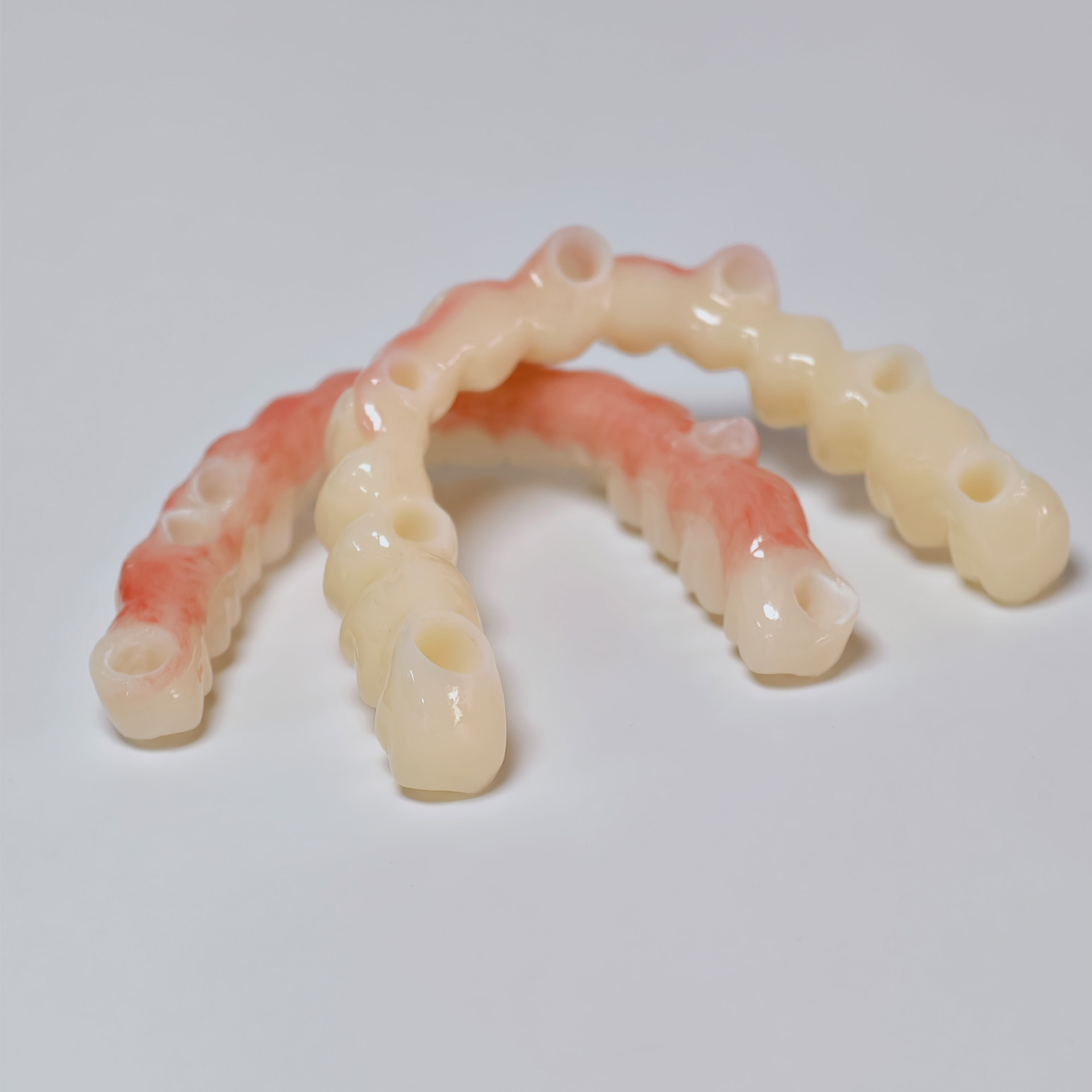
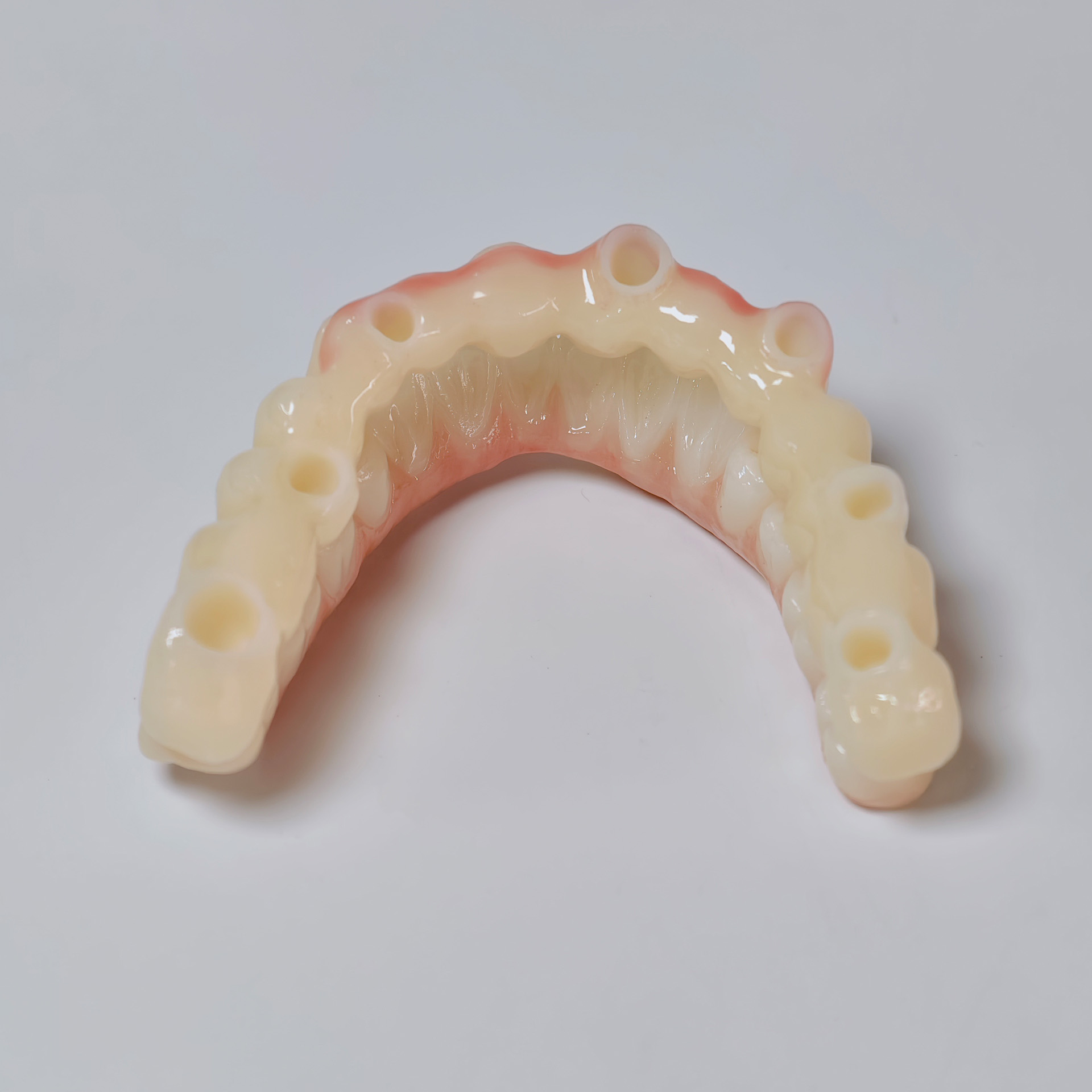
An pmma bridge
A pmma bridge is a type of dental restoration made from polymethyl methacrylate (pmma), a durable and aesthetic plastic. It's commonly used for temporary or long-term provisional restorations, especially in full-arch implant cases, and is known for its strength, flexibility, and ability to be screw-retained for easy removal and adjustment.
Key characteristics of pmma bridges:
Material:
pmma is a type of acrylic plastic that is biocompatible and relatively strong.
Purpose:
Temporary restorations: Often used during the healing phase after dental implant placement, or while permanent restorations are being fabricated.
Long-term provisional restorations: Can be used for extended periods, particularly in cases like full-arch implant restorations where a permanent
solution may take time.
Trial bridges: Allow patients to "try out" a new smile before committing to a permanent restoration.
Screw-retained:
pmma bridges can be designed to be screw-retained, allowing for easy removal and adjustment by the dentist.
CAD/CAM Technology:
pmma bridges can be fabricated using CAD/CAM technology, ensuring a precise fit and good aesthetics.
Aesthetics:
pmma can be made in various shades to match a patient's natural teeth.
Durability:
While durable, pmma is not as wear-resistant as some other materials like zirconia and may be more prone to breakage or staining over time.
pmma bridges are a versatile and effective solution for various dental needs, offering a combination of strength, aesthetics, and ease of use, particularly in implant dentistry.
Records Needed
PVS or digital impressions, and a bite registration
Scan data of unprepared teeth
Retracted photographs of the patient biting in centric, left, right, and straight on
Photos with resting, smiling, laughing
Surgical implant plan