
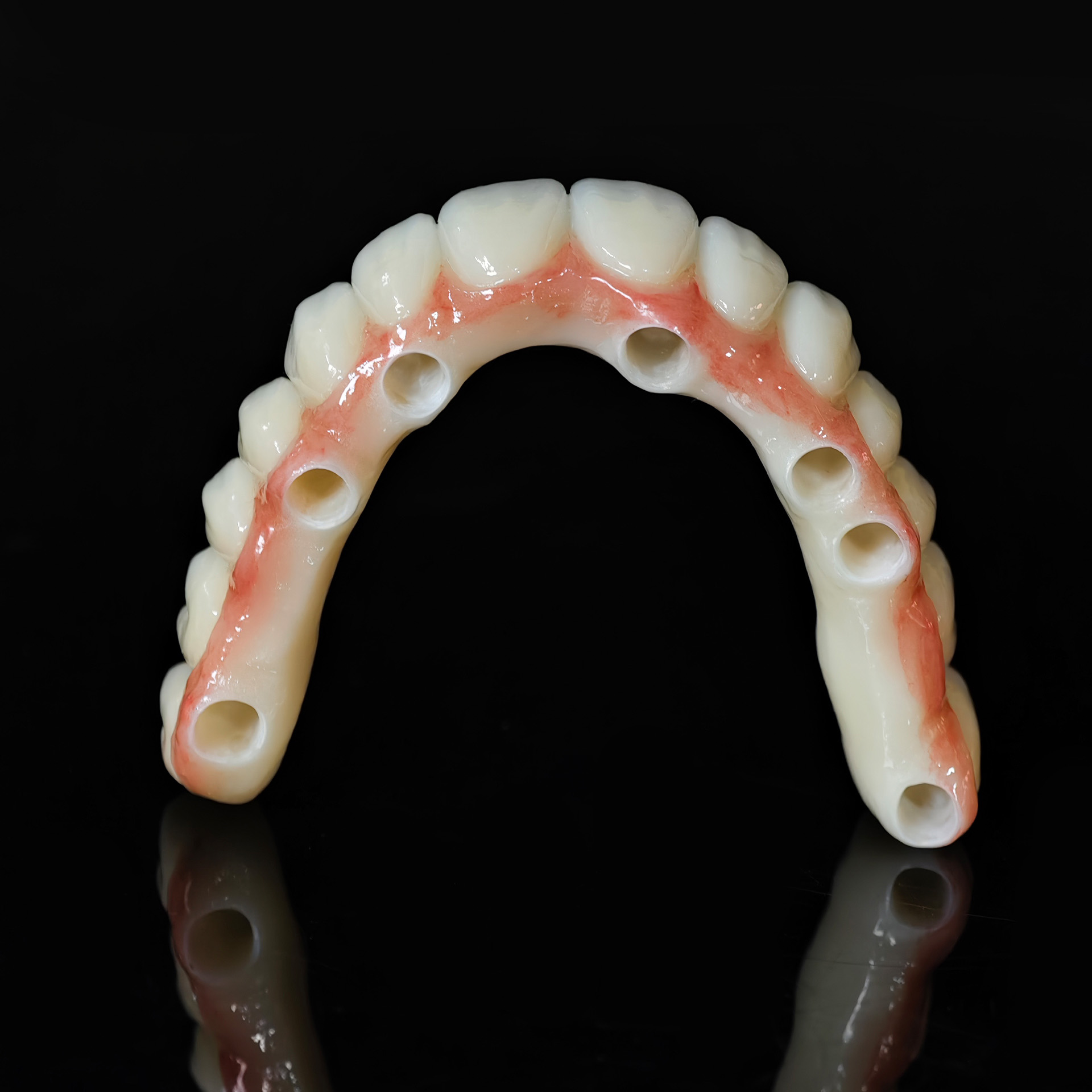
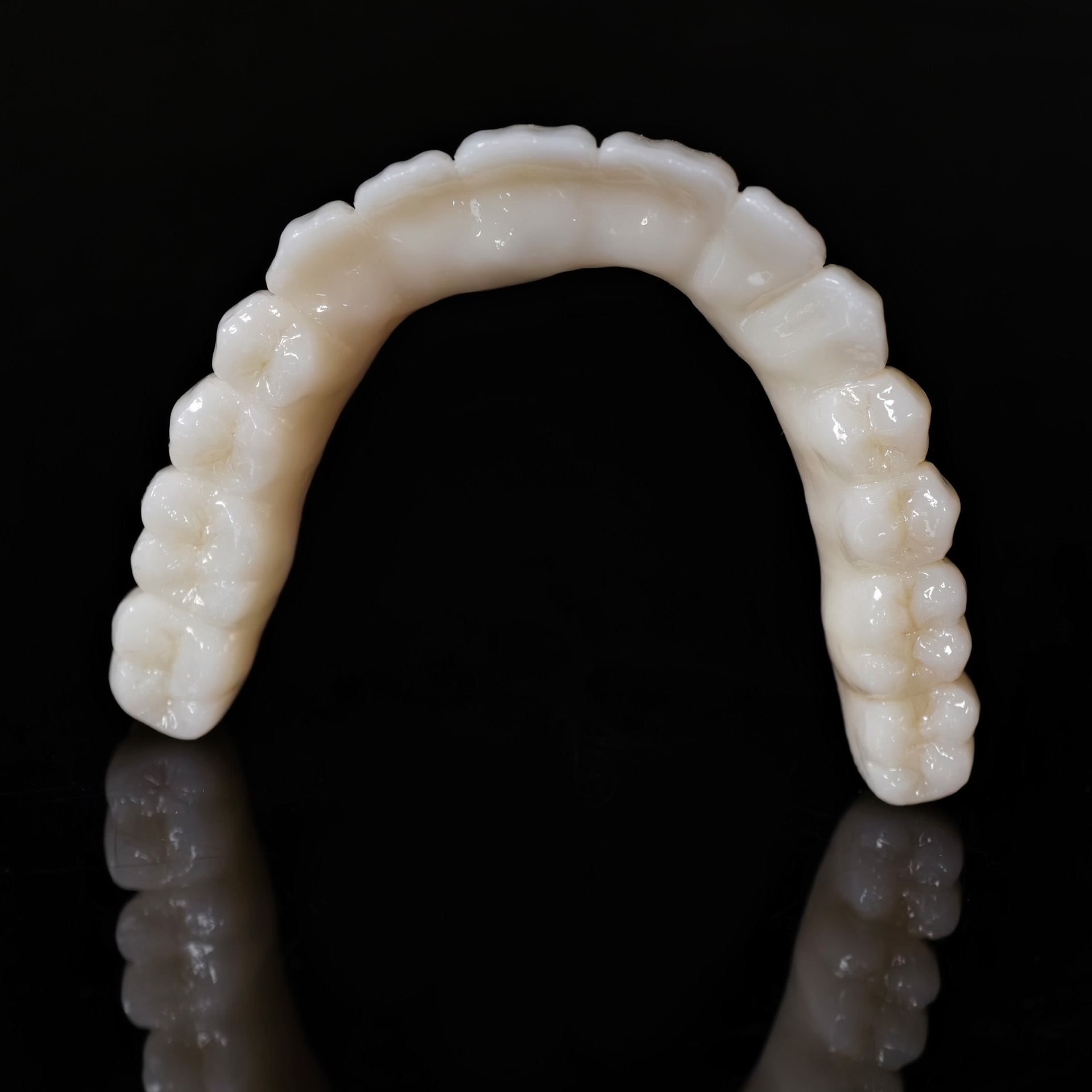
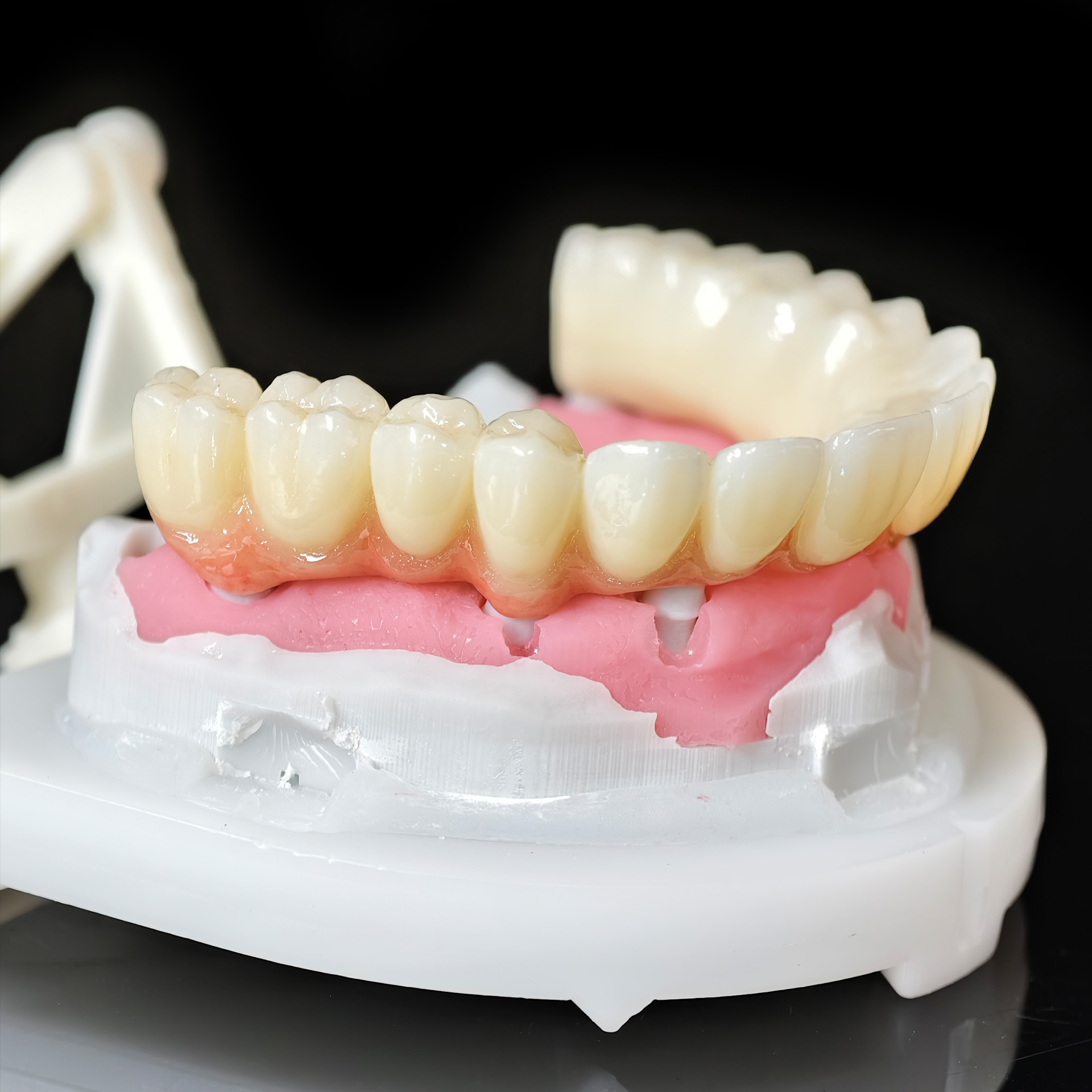
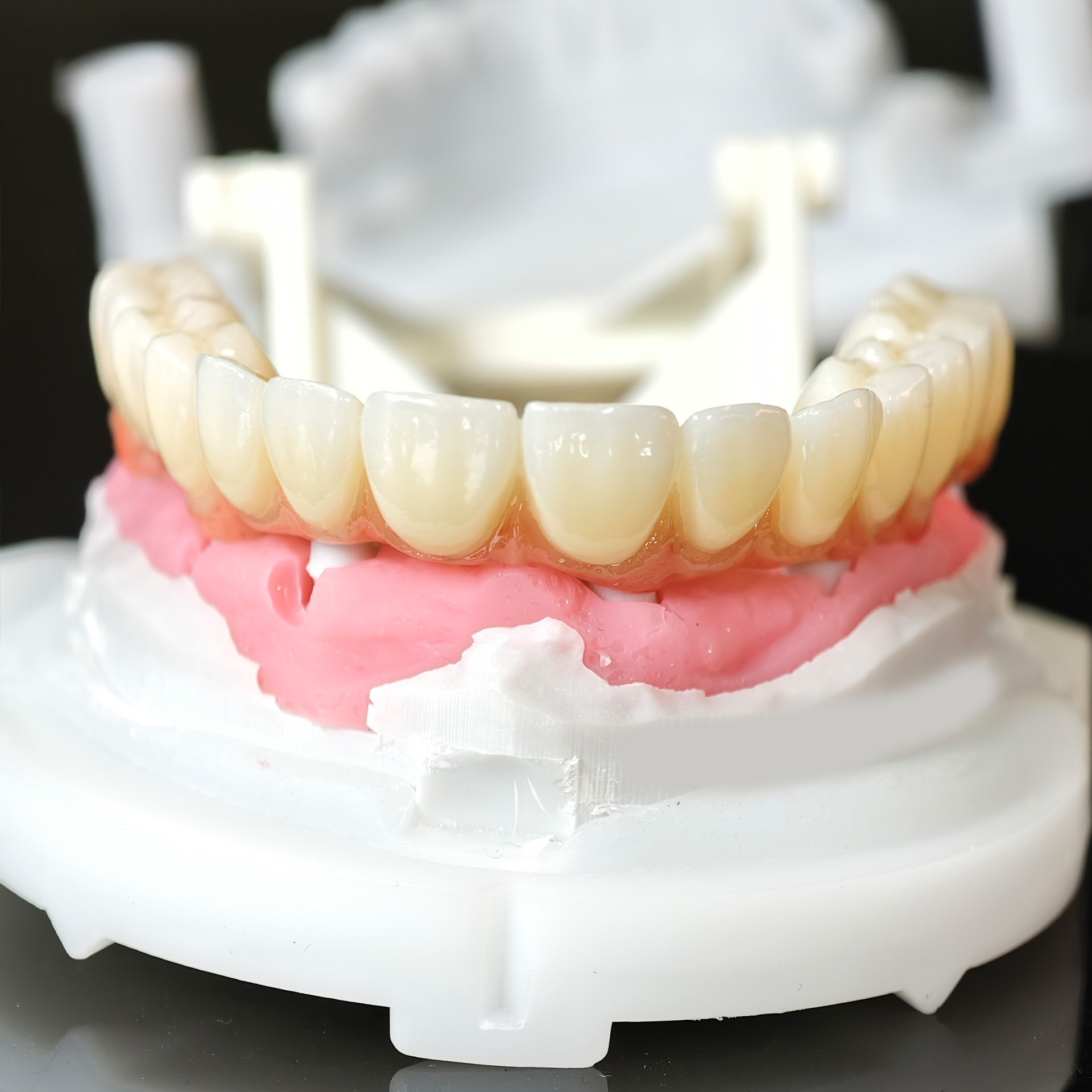
Products Description
Adhesive Retention Form for Zirconia bridge
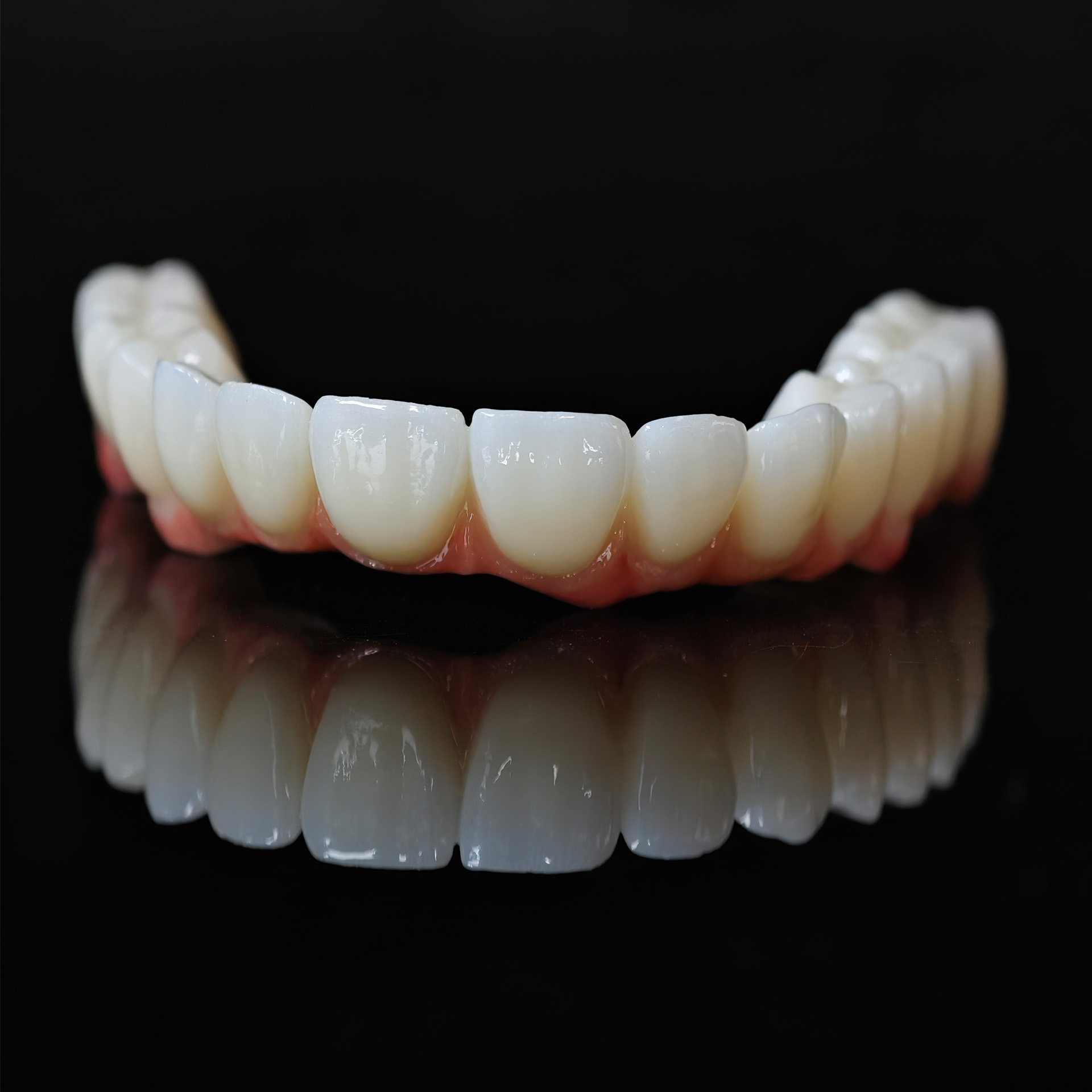
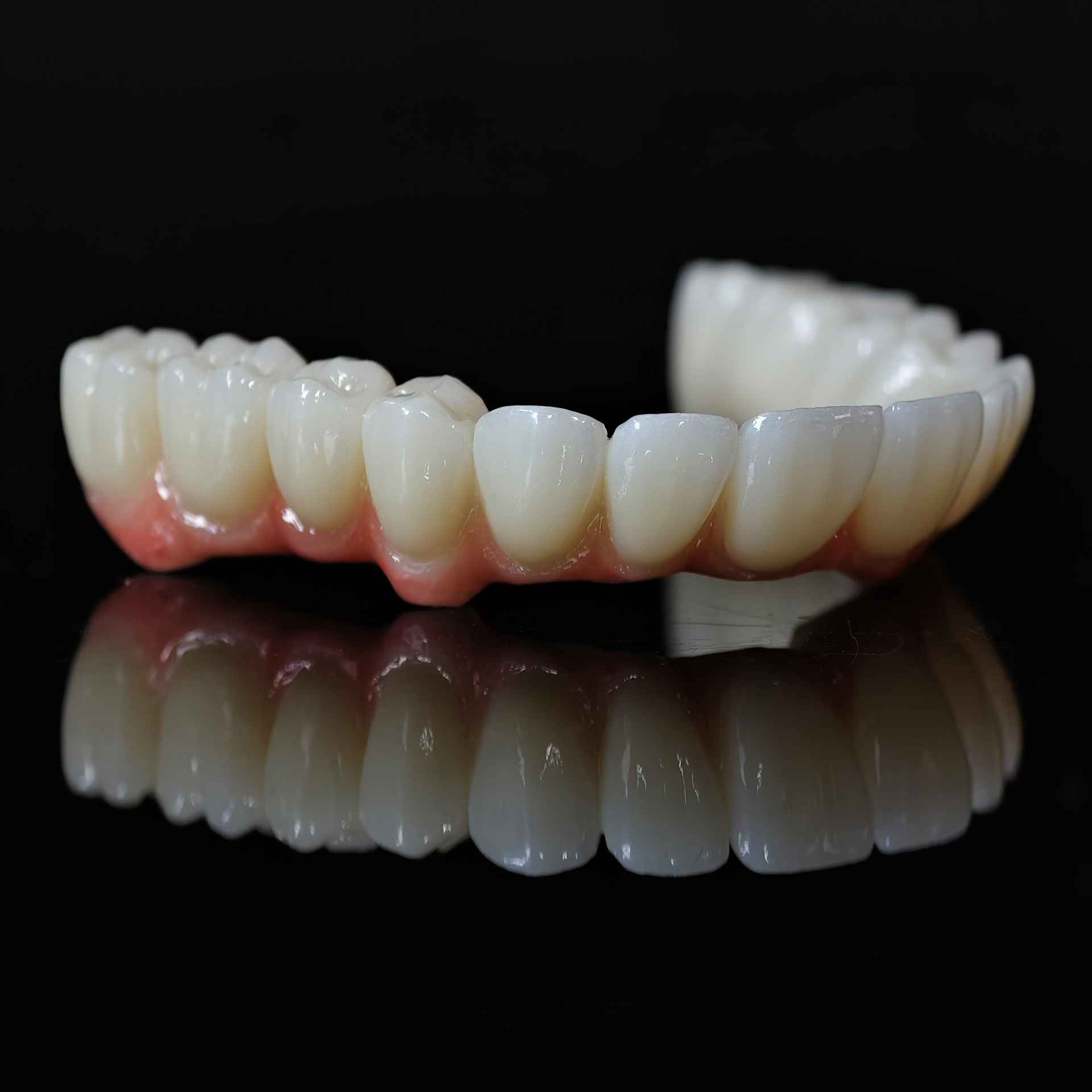
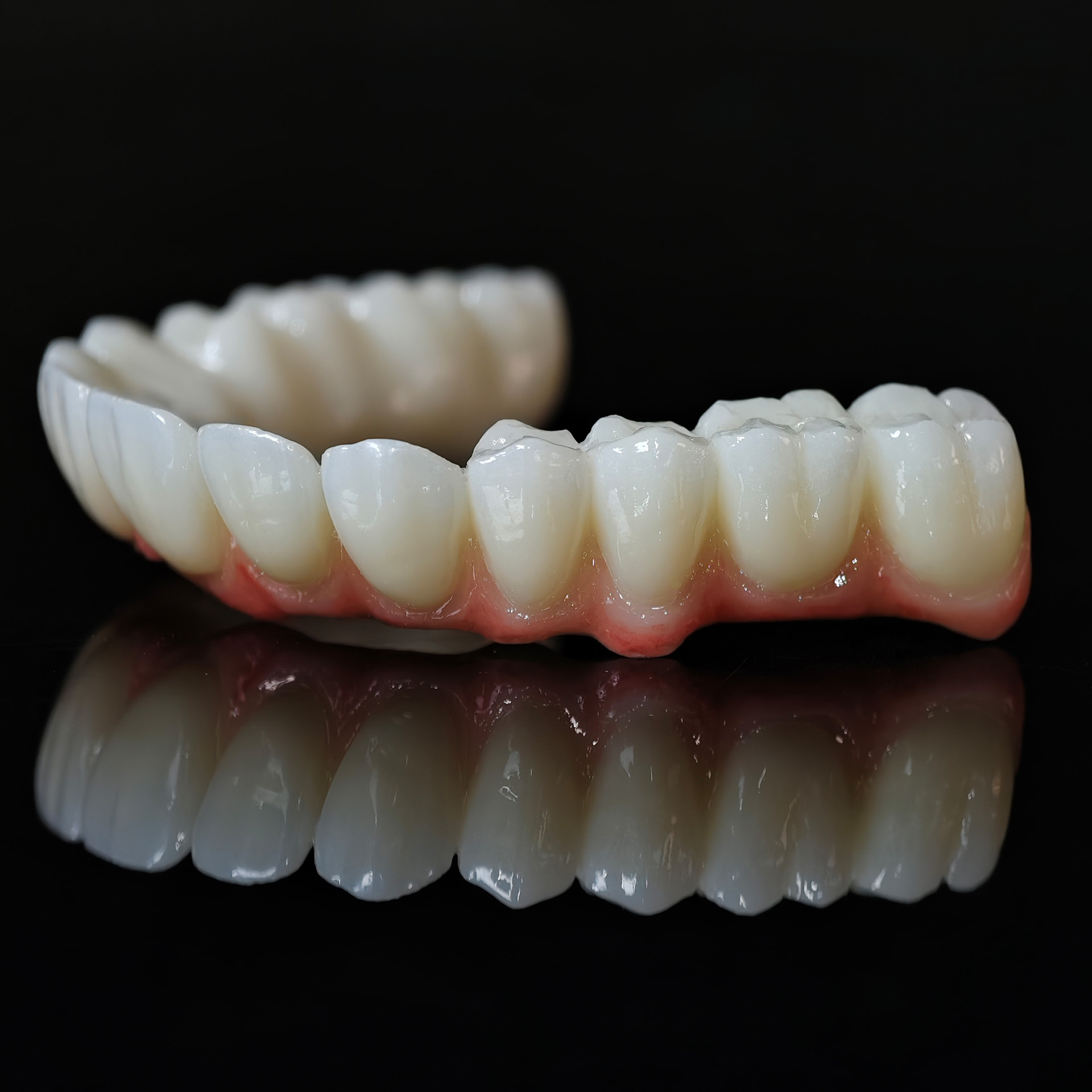
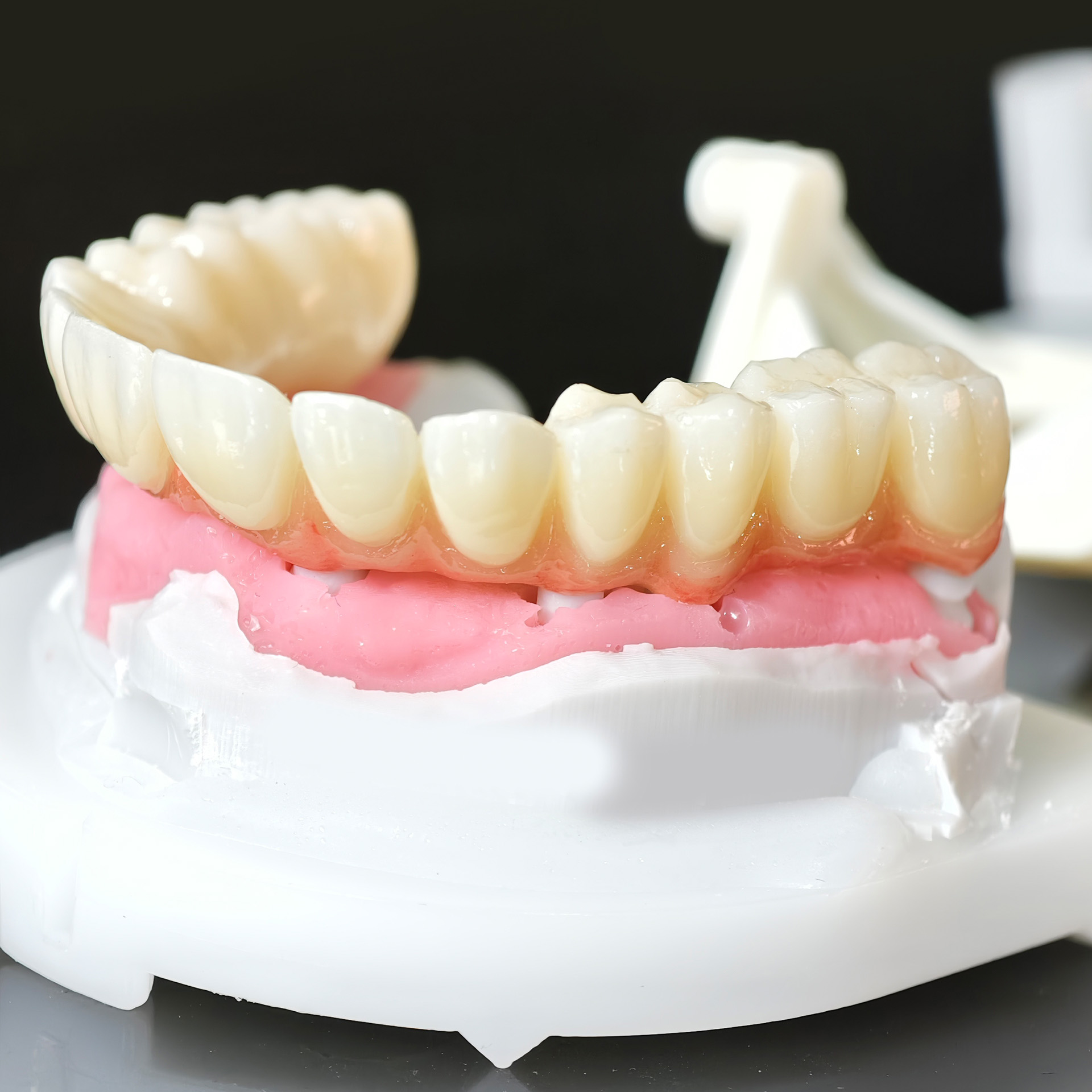
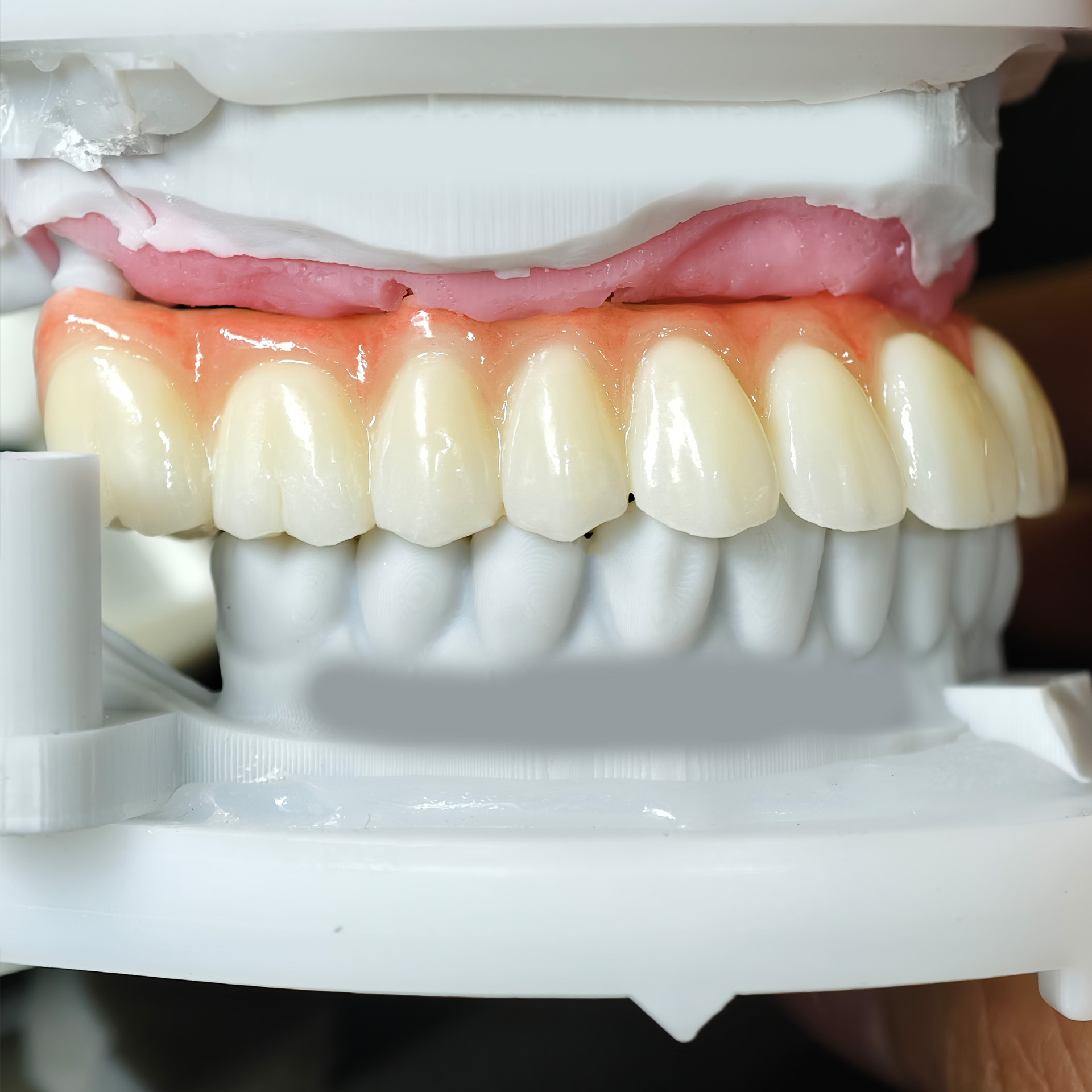
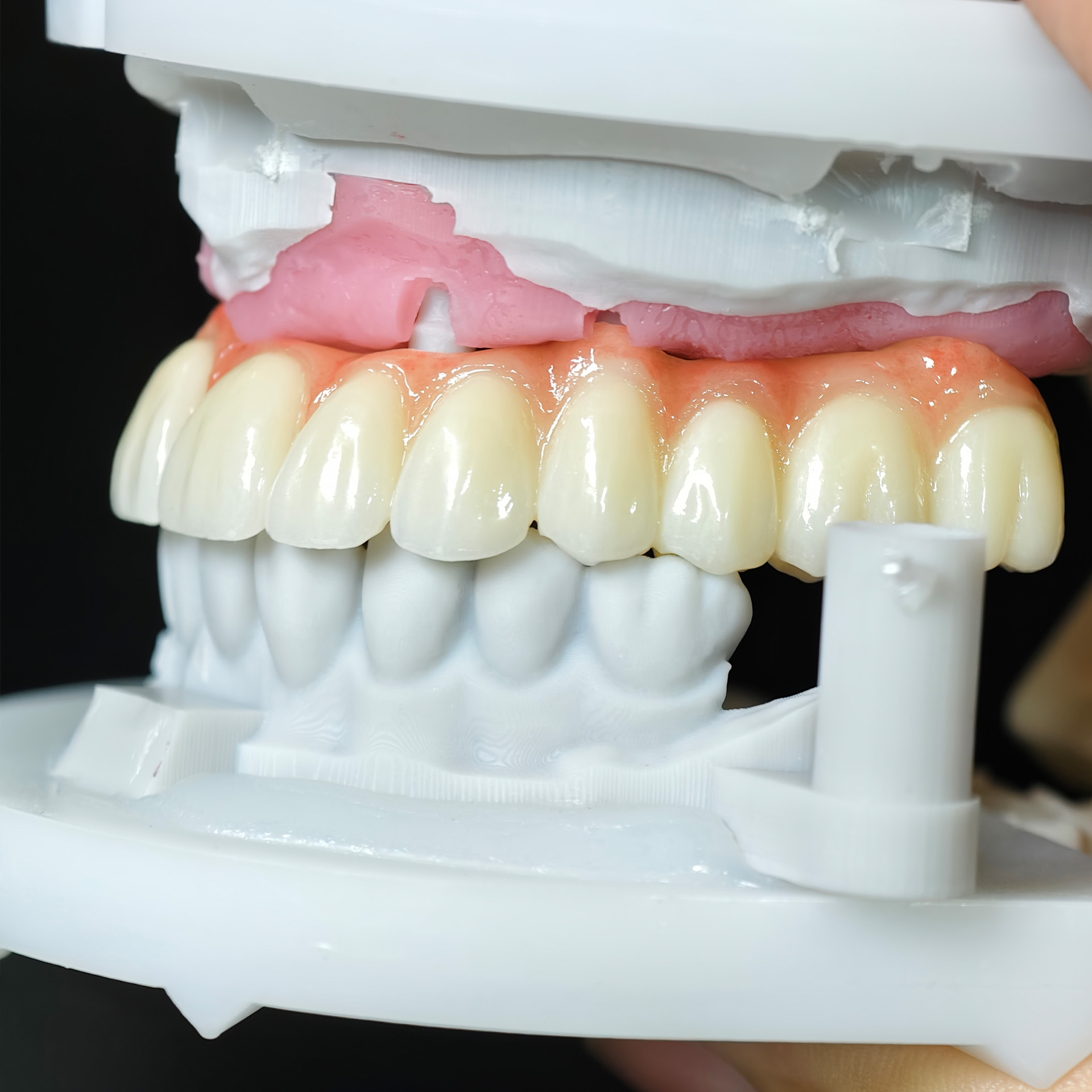
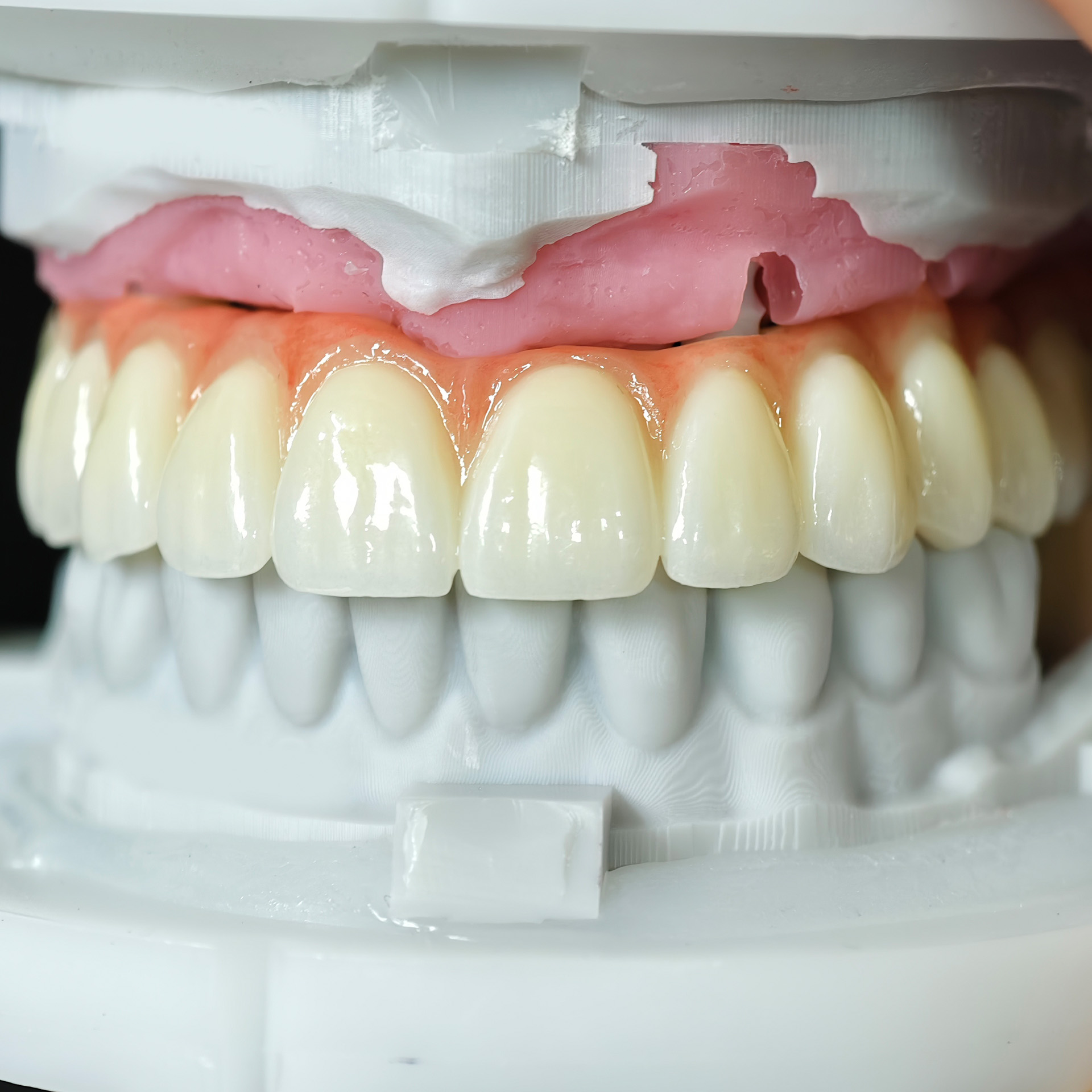
Adhesive Retention Form for Zirconia bridges is a minimally invasive restorative approach that uses adhesive cementation to secure a Zirconia bridge to prepared abutment teeth or implants. Unlike conventional cement-retained bridges that rely on mechanical retention (e.g., taper, grooves), this method achieves retention primarily through micromechanical and chemical bonding between the zirconia restoration and the tooth structure.
What it is:
Adhesive retention involves bonding a zirconia bridge to the underlying tooth structure or implant abutments using specialized resin cements.
The bridge is typically fabricated from monolithic or layered zirconia, offering high strength and superior aesthetics.
Surface pretreatment of the zirconia (e.g., air abrasion, primer application) and of the tooth (e.g., etching, adhesive systems) is essential to create a durable bond.
This approach allows for more conservative tooth preparation compared to conventional full-coverage crowns.
How it works:
Evaluation and Planning
The clinician assesses the condition of the abutment teeth, occlusion, and available interocclusal space. Digital scans or impressions are taken for precise fabrication.Tooth Preparation
Minimal preparation is performed, often preserving sound tooth structure. The preparation design focuses on providing adequate space for the zirconia restoration while ensuring proper adhesive surface area.Bridge Fabrication
The zirconia bridge is milled from a high-strength zirconia blank and sintered. If desired, veneering ceramic may be added for enhanced aesthetics. Intaglio surfaces are treated (e.g., airborne-particle abrasion) to optimize bonding.Adhesive Cementation
The zirconia bridge is bonded to the prepared teeth using a resin cement. A primer containing MDP (10-methacryloyloxydecyl dihydrogen phosphate) is applied to the zirconia surface to achieve chemical bonding, while the tooth surface is etched and primed accordingly.Finishing and Follow-up
Excess cement is removed, and occlusion is adjusted. Regular follow-up ensures the integrity of the bond and periodontal health.
Benefits:
Conservative Tooth Preparation
Adhesive retention allows for minimal reduction of healthy tooth structure, preserving pulp vitality and enamel.High Bond Strength
The combination of micromechanical interlocking and chemical adhesion (especially with MDP-containing cements) provides reliable long-term retention.Aesthetic Excellence
Zirconia bridges offer excellent translucency and color matching, while adhesive cementation eliminates the need for bulky retentive features.Biocompatibility
Zirconia is highly biocompatible, with excellent soft tissue response and low plaque affinity.Versatility
This technique is suitable for both tooth-supported and implant-supported zirconia bridges, particularly when conventional mechanical retention is limited.Simplified Laboratory Workflow
Adhesive retention simplifies the design process for dental technicians, reducing the need for complex retentive geometries and allowing focus on precision fit and aesthetics.